Living off-grid or in a remote location is a dream for many. The silence, the stars, the connection to the land. But let’s be honest—it also comes with a unique set of worries. When the nearest neighbor is a mile down a dirt road and the power lines end somewhere back in town, traditional home security systems just… fail. They’re like a fish out of water.
That’s where sustainable and off-grid home security solutions come in. This isn’t about lining your property with blinding floodlights hooked to a diesel generator. It’s about smart, resilient, and often beautifully simple systems that work with your environment, not against it. They provide that crucial peace of mind, letting you enjoy the solitude without the vulnerability.
Why Traditional Security Falls Short Off-Grid
First, let’s talk about the gap. A standard security setup relies on three big things: constant grid power, reliable high-speed internet, and easy professional access. For a remote cabin, homestead, or ranch, those are three big question marks. A storm knocks out a transformer? There goes your system. Satellite internet gets sluggish in heavy weather? Alerts might not come through. It’s a fundamental mismatch.
The Core Principles of Off-Grid Security
So, what works? Effective solutions are built on a few key ideas:
- Energy Independence: Systems must run on their own renewable power sources.
- Low Power Consumption: Every watt counts. Efficiency is king.
- Redundant Communication: Don’t rely on a single signal path.
- Physical Deterrence: Sometimes, the oldest methods are the most reliable.
- Self-Reliance: You are the first responder. The system should empower you, not just call someone else.
Building Your Sustainable Security Layers
Think of security like an onion—or maybe a good, sturdy winter coat. Multiple layers create real protection. Here’s how to build yours from the outside in.
Layer 1: The Perimeter & Deterrence
This is your first line of defense. The goal here isn’t just to stop someone, but to discourage them from even trying.
- Solar-Powered Motion Sensor Lights: Modern LEDs are incredibly efficient. A small solar panel charges a battery all day to power bright, motion-activated lights all night. They startle wildlife and humans alike.
- Clear Signage: It sounds almost too simple, but signs like “Property Monitored by Solar Security” or “Guard Dog on Duty” work on psychology. They set a boundary.
- Natural Barriers: Thorny bushes under windows, gravel driveways that crunch loudly, and well-maintained fencing aren’t just aesthetic—they’re tactical.
Layer 2: Surveillance & Detection
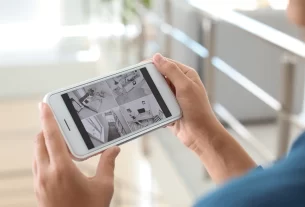
You need eyes on your property. Thankfully, solar-powered security cameras have undergone a quiet revolution. I mean, they’re seriously good now.
Look for cameras with:
- Integrated solar panels or the ability to hook up to a small off-grid solar system.
- Local SD card storage plus cellular (4G/LTE) backup. They record locally to save data, but can send alerts and clips via a cellular network when motion is detected. No internet needed.
- Low-power “standby” modes that wake on motion to conserve battery.
- Starlight or color night vision for clarity without power-hungry spotlights.
Placement is key. One camera monitoring the main approach and another covering your most vulnerable entry point (like a basement door or shed) can cover a lot of ground.
Layer 3: Entry Point Security
Doors and windows. This is where basic, battery-operated sensors are your best friend. Modern smart sensors for doors and windows use protocols like Zigbee or Z-Wave, which are designed for low-energy use.
They can connect to a solar-powered hub—the brain of your system. This hub, often with its own battery backup, can sound a local siren (a deafening 110+ dB one, hopefully) and send alerts to your phone via cellular. No grid, no problem.
Powering Your Peace of Mind: The Energy Backbone
All this tech needs juice. A dedicated small-scale solar system is the heart of a truly sustainable security setup. You don’t need to power your whole house—just the critical safety systems.
| Component | Role in Security | Considerations |
| 100-200W Solar Panel | Primary energy harvest. | Keep it clean and angled for winter sun. |
| 100Ah+ Deep Cycle Battery | Stores power for nights/cloudy days. | Lithium (LiFePO4) is lighter, lasts longer, but costs more than lead-acid. |
| Charge Controller | Protects battery from overcharge. | A must-have. Get a modern MPPT type for efficiency. |
| Small Inverter (optional) | Powers AC devices if needed. | Only necessary for non-12V DC gear; adds conversion loss. |
Honestly, you can start small. A single good solar panel and a quality battery can run a couple of cameras and a hub for days without sun. It’s a liberating feeling, knowing your security isn’t tied to the utility company’s reliability.
The Human Element: Low-Tech & High-Impact
Never underestimate simple, non-electronic solutions. They don’t fail during a deep winter storm.
- Good Neighbor Protocols: Have a check-in system with someone you trust, even if they’re miles away. A simple “I’m okay” text signal.
- Door Reinforcement: A sturdy steel door frame, long screws in the hinges, and a grade-1 deadbolt are more effective than most fancy gadgets.
- Operational Security: Be mindful on social media. Don’t broadcast that your remote property is sitting empty for two weeks. It’s an unfortunate modern reality.
Putting It All Together: A Sample System
Let’s imagine a setup for a remote cabin. At the driveway gate, a solar-powered motion light comes on. A cellular solar camera there gets a close-up and sends an alert to your phone. As someone approaches the cabin, another camera under the eaves activates.
If they touch the door, a sensor triggers the indoor hub to blast a siren and send a final alert. All of this is powered by a modest solar setup on the roof, independent and watching, 24/7. You’re informed, and any unwanted visitor is, well, highly discouraged.
The Ultimate Goal: Integrated Resilience
In the end, sustainable off-grid security isn’t just a list of gadgets. It’s a mindset. It’s about integrating resilience into the very fabric of your remote life. The same solar power that runs your lights and fridge can also run your protection. The same awareness of the weather and the land that makes you a good steward also makes you more secure.
It grants you a deeper kind of quiet—not just an absence of noise, but an absence of nagging worry. You’ve taken thoughtful steps. You’ve built layers of safety that respect your choice to live differently. And that, in fact, might be the most valuable resource of all out there: true, uninterrupted peace of mind.